Offshore Software Development Services: Complete Guide for Businesses
Businesses today need software products that are fast, scalable, and cost-effective. However, building an in-house development team can be expensive and time-consuming. This is why many companies choose offshore software development services.
Offshore software development allows businesses to work with remote software engineers from another country to build web applications, mobile apps, SaaS platforms, and enterprise software solutions. Companies use offshore software outsourcing to reduce development costs, access global talent, and speed up product delivery.
This guide explains offshore software development, outsourcing models, key benefits and challenges, offshore trends in 2026, and how to hire offshore software developers successfully.
What Is Offshore Software Development?
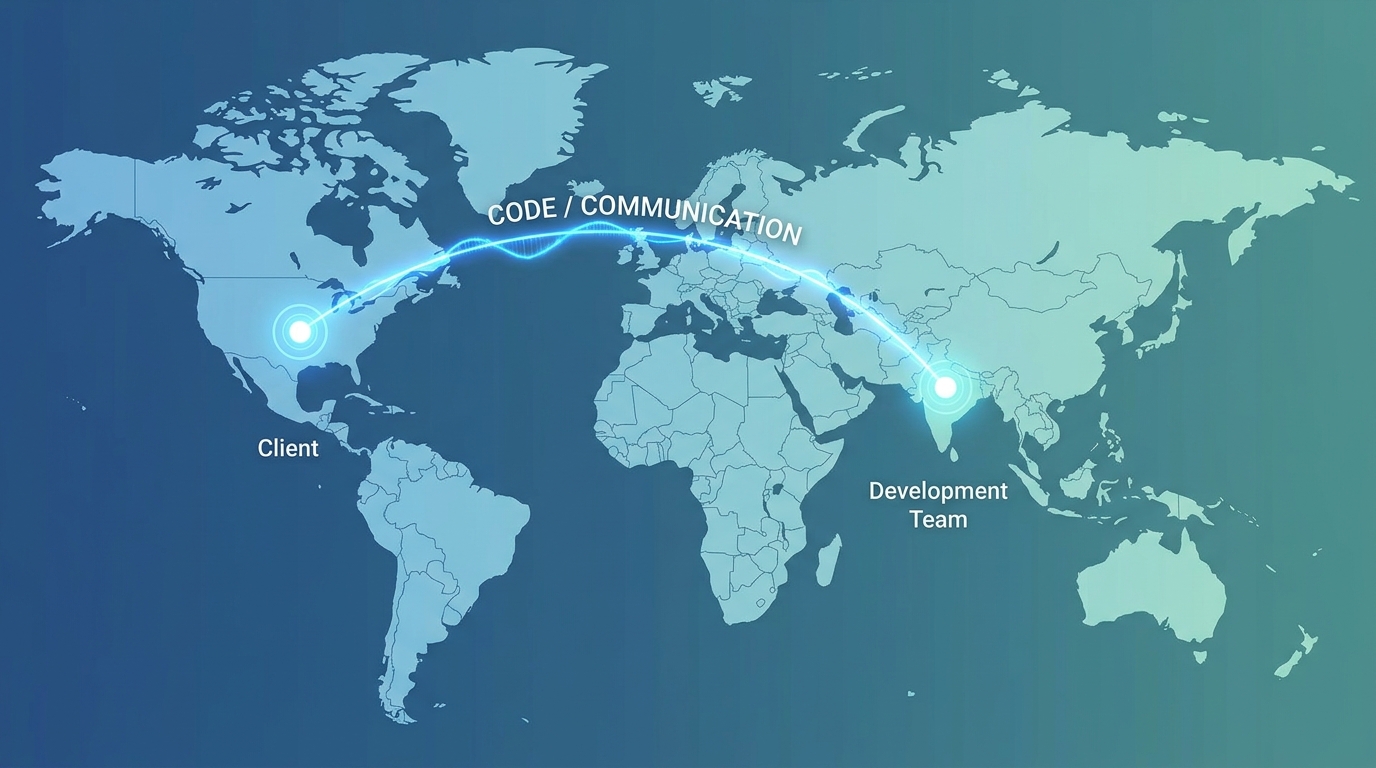
Offshore software development is the process of hiring a software development team from another country to build, maintain, or manage software projects remotely.
Businesses use offshore software development services to access global talent, reduce hiring costs, and speed up software delivery without building large in-house engineering teams.
An offshore development company may provide:
- custom software development
- mobile app development
- web development
- SaaS product development
- cloud solutions
- software testing and maintenance
Most offshore development teams work remotely and collaborate with businesses through agile workflows, video meetings, project management systems, and cloud-based tools.
Today, offshore software outsourcing is commonly used by:
- startups building MVPs
- SaaS companies scaling products
- enterprises modernizing systems
- businesses expanding engineering capacity
Many companies now treat offshore software developers as an extension of their internal team instead of temporary outsourcing vendors.
Why Businesses Choose Offshore Software Development Services
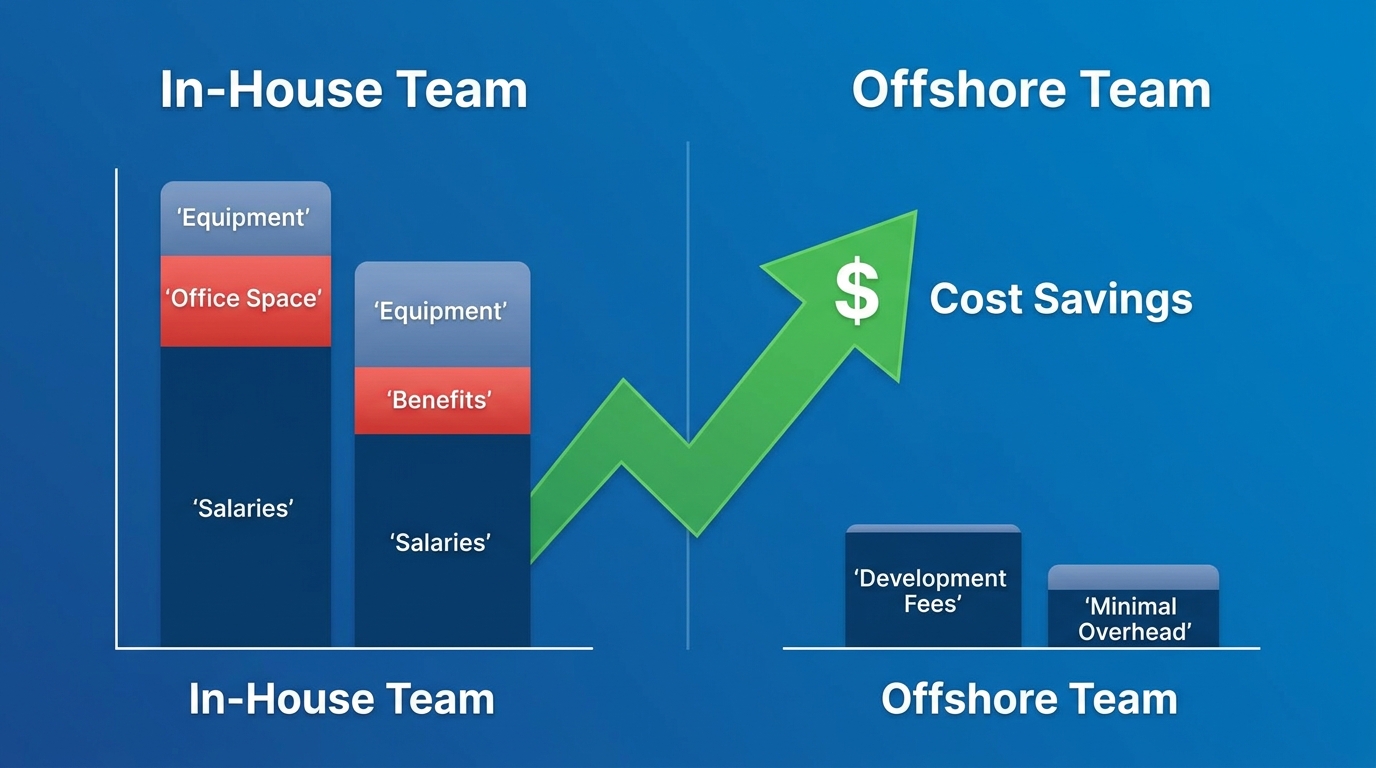
Businesses choose offshore software development services to reduce costs, access skilled developers, and speed up software delivery.
Hiring local developers can be expensive and time-consuming. Offshore software outsourcing helps companies reduce expenses related to recruitment, infrastructure, salaries, and team scaling while still getting experienced engineers.
Another major benefit is access to global tech talent. Businesses can quickly hire developers with expertise in web development, mobile apps, SaaS platforms, cloud solutions, and AI technologies.
Offshore development also improves flexibility. Companies can scale teams faster, handle large projects more efficiently, and reduce development delays through dedicated offshore teams or staff augmentation.
This model is commonly used by:
- startups building MVPs
- SaaS companies scaling products
- enterprises managing multiple projects
- businesses needing specialized developers
For many companies, offshore software development is now a long-term strategy for faster growth and scalable product development.
Offshore vs Nearshore vs Onshore Development
Businesses usually choose between offshore, nearshore, and onshore software development models depending on their budget, collaboration needs, and project goals.
| Model | Description | Main Advantages | Main Challenges |
|---|---|---|---|
| Offshore Development | Team located in another country | Lower costs, global talent access, scalable teams | Time zone differences, communication gaps |
| Nearshore Development | Team located in nearby countries or similar time zones | Easier communication, overlapping work hours | Higher costs than offshore |
| Onshore Development | Team located in the same country | Direct communication, local collaboration | Highest development costs |
Offshore software development is often the preferred option for businesses looking for long-term scalability and cost-effective development.
Nearshore outsourcing works well for companies that want closer collaboration and fewer time zone differences.
Onshore development offers easier communication and legal alignment but usually comes with significantly higher costs.
The right model depends on:
- project complexity
- budget
- required expertise
- communication preferences
- scaling requirements
Offshore Software Development Models
Businesses choose different offshore development models based on project size, budget, and management preferences.
Dedicated Offshore Development Team
A dedicated offshore development team works only on your project and acts as an extension of your in-house team. This model is commonly used for long-term software projects, SaaS platforms, and enterprise applications.
Dedicated teams usually include developers, QA engineers, DevOps specialists, and project managers. Businesses prefer this model because it offers better collaboration, stable workflows, easier scaling, and long-term support.
Staff Augmentation
Staff augmentation allows businesses to add offshore software developers to their existing internal teams. This model is useful for filling skill gaps, scaling teams quickly, and handling temporary workloads.
In 2026, many offshore developers will use AI-assisted coding and automated testing tools to improve development speed and productivity. Businesses maintain direct control over the project while offshore developers provide technical support.
Project-Based Offshore Outsourcing
In the project-based model, the offshore development company handles the complete software project from planning to delivery.
This usually includes:
- project planning
- UI/UX design
- software development
- testing
- deployment
- maintenance
This model works best when project requirements, timelines, and budgets are clearly defined.
How Offshore Software Outsourcing Works
1. Define Project Requirements
The first step is defining project goals, features, timelines, budget, and technical requirements. Clear planning helps offshore development teams understand the business objectives and reduces communication issues during development.
2. Choose an Offshore Development Company
Businesses should evaluate offshore development companies based on:
- technical expertise
- industry experience
- communication quality
- security standards
- client reviews
A reliable offshore partner should provide transparent workflows and regular progress updates.
3. Contract Signing and Onboarding
Before development starts, both sides usually complete NDA agreements, service contracts, onboarding sessions, infrastructure setup, and repository access.
This phase helps offshore developers understand the product, workflows, and business goals.
4. Agile Development Process
Most offshore software development services use agile methodologies with sprint-based development, regular meetings, testing cycles, and continuous feedback.
This approach improves flexibility, transparency, and delivery speed.
5. Delivery and Ongoing Support
After deployment, offshore development companies often provide maintenance, bug fixes, software updates, and long-term technical support to maintain software quality and system performance.
Benefits and Challenges of Offshore Development
Offshore software development offers many business advantages, but companies should also understand the possible challenges before outsourcing projects.
Benefits of Offshore Software Development
The biggest advantage is cost efficiency. Businesses can reduce expenses related to local hiring, infrastructure, and operational overhead while still accessing skilled developers.
Offshore development also provides access to a larger global talent pool. Companies can hire specialized developers more quickly without long recruitment processes.
Another major benefit is scalability. Offshore development teams allow businesses to increase or reduce resources based on project requirements.
Companies also benefit from:
- faster product development
- flexible team scaling
- access to modern technologies
- continuous development cycles
For startups and growing businesses, offshore outsourcing can significantly improve development speed and business growth.
Common Offshore Development Challenges
Communication Issues
Time zone differences and language barriers can sometimes affect communication between teams. Businesses can reduce these issues through regular meetings, overlapping work hours, clear documentation, and dedicated project managers.
Quality Control Risks
Not all offshore development companies follow the same quality standards. Businesses should review technical expertise, development processes, testing practices, and previous projects before hiring an offshore team.
Regular QA testing and code reviews help maintain software quality and reduce development risks.
Security and Compliance Concerns
Security is an important part of offshore software outsourcing, especially for projects handling sensitive data.
Professional offshore development companies should follow:
- GDPR compliance
- SOC 2 Type II standards
- HIPAA compliance
- secure cloud infrastructure
- encrypted development environments
Businesses should also review data protection policies and access control systems before starting development.
Project Management Challenges
Without proper planning, offshore projects may face delayed deliveries, unclear requirements, and changing project scope.
Using agile workflows and maintaining transparent communication helps businesses manage offshore development more effectively.
Offshore Software Development Trends in 2026
AI-Assisted Development
AI tools are changing how offshore software developers build applications. Many development teams now use AI coding assistants, automated testing tools, and smart debugging systems to improve productivity, development speed, and code quality.
Cloud-Native Development
Modern software products are increasingly built using cloud-native technologies. Offshore development companies commonly work with AWS, Microsoft Azure, Google Cloud, Docker, and Kubernetes to build scalable and flexible applications.
DevSecOps Integration
Security is now integrated directly into the development process. DevSecOps practices help businesses improve software security, automate deployments, reduce risks, and maintain compliance during development.
Cross-Platform App Development
Businesses increasingly prefer cross-platform app development to reduce costs and launch mobile apps faster. Technologies like Flutter and React Native allow offshore developers to build Android and iOS apps using a single codebase, reducing development time and maintenance effort.
How to Choose the Right Offshore Development Company
Choosing the right offshore development company is critical for project success.
Businesses should first evaluate technical expertise and industry experience. A reliable offshore partner should have experience building similar software solutions and working with modern technologies.
Communication quality is also very important. Businesses should choose offshore software developers who provide:
- clear reporting
- regular updates
- transparent workflows
- responsive communication
Security standards should also be carefully reviewed. Offshore software outsourcing partners should follow strong security practices and compliance standards.
Other important factors include:
- portfolio quality
- scalability
- pricing structure
- project management process
- client testimonials
The best offshore development companies focus not only on coding but also on understanding business goals and long-term product strategy.
Conclusion
Offshore software development services help businesses build scalable software products while reducing operational costs and improving development speed.
From startups to large enterprises, companies use offshore software outsourcing to access skilled developers, scale engineering teams, and accelerate digital growth.
However, successful offshore development depends on choosing the right offshore development company, maintaining strong communication, and following structured development processes.
With the right outsourcing strategy, businesses can build high-quality software products and stay competitive in the fast-changing digital market.
Frequently Asked Questions
Offshore software development means hiring software developers from another country to build and manage software projects remotely.
Businesses use offshore software development services to reduce costs, access global talent, and speed up software delivery.
Yes, offshore software outsourcing can be safe when businesses work with companies that follow strong security and compliance standards.
Dedicated offshore development teams are remote software engineers working exclusively on a company’s project as an extended development team.
Businesses should evaluate technical expertise, communication quality, portfolio, scalability, and security practices before hiring offshore software developers.
Want to Read More Blog Posts Like These?
Explore more software development, AI, SaaS, and technology insights on Yapping Blog. Discover expert guides, industry trends, and practical strategies to help your business grow faster.
Visit Yapping Blog →